Finding EDS Community and Peer Support Online
Peer communities fill gaps that doctors and specialists cannot alone close.

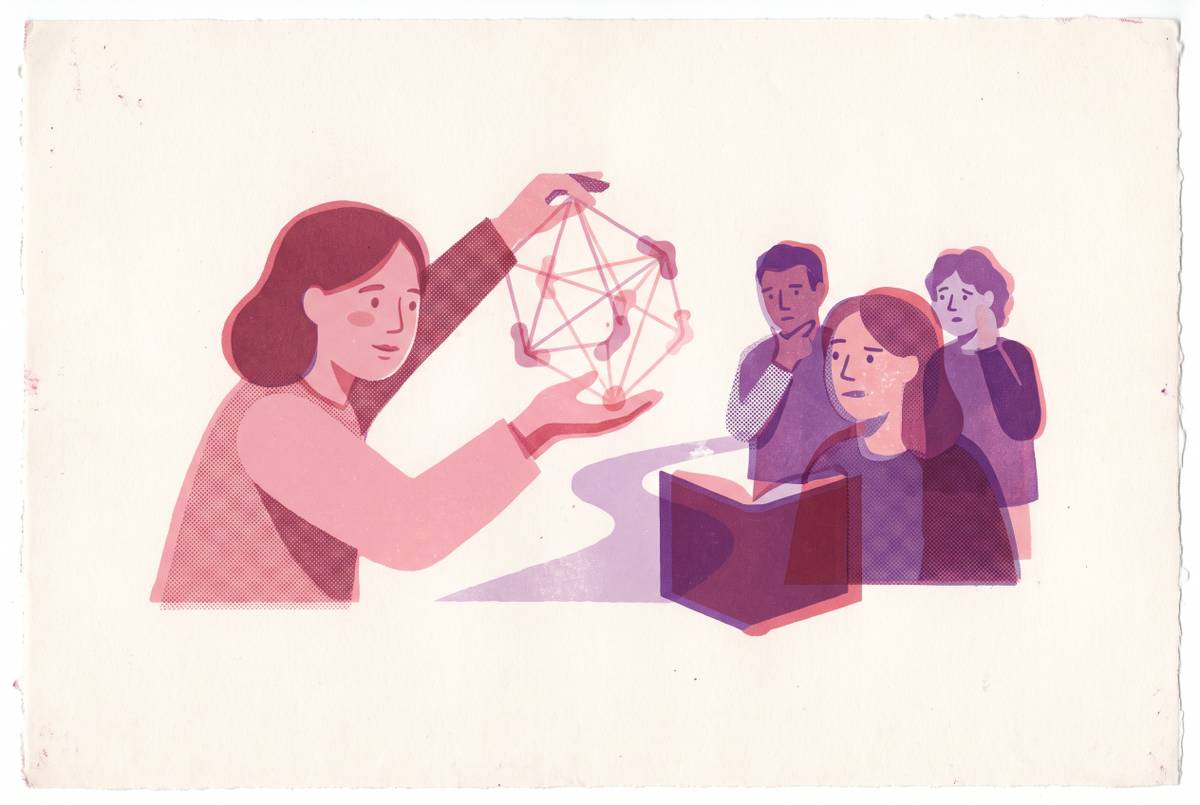
EDS peer networks exist because medicine has not caught up with how complicated these conditions are. No single clinician can close that gap, because a short appointment just can't hold it all.
Ehlers-Danlos syndromes are a group of heritable connective tissue disorders. Collagen, the protein that gives connective tissue its structural strength throughout the body, is faulty or reduced. One faulty protein can cause joint hypermobility, fragile skin, and a long list of other effects, because it reaches far past the joints. Most people with EDS also carry co-occurring conditions on top of that. The EDS Clinic's support group organizes around what it calls the EDS Trifecta: EDS, Mast Cell Activation Syndrome (MCAS), and Postural Orthostatic Tachycardia Syndrome (POTS). The group extends that further into an EDS Pentad, adding gastrointestinal dysmotility and neurological or musculoskeletal issues to the list. A newly diagnosed person is rarely dealing with one condition. They're dealing with a cluster, and the questions that cluster raises outnumber what any single specialist visit can cover.
Many people find peer community before they find a diagnosis. For a lot of newly arrived members, an online group is the first place someone else describes symptoms that match their own, often years before a doctor puts a name to it.
The Road to 2026 initiative, led by the International Consortium on EDS and HSD with support from the Ehlers-Danlos Society, is updating the classification, diagnosis, and treatment pathways for EDS and hypermobility spectrum disorders. It builds on the 2017 framework that shaped most of what current clinicians were trained on. A doctor's working knowledge of EDS from even a few years back can already lag behind where the field is heading. Patients have a formal seat at that table: the update process gathers input directly from patients and patient organizations, so that research recommendations reflect what people are actually living through, not just what shows up in a clinic chart. Lived experience is treated as part of the evidence base, not a side note to it.
The psychological weight that makes community medically relevant
The mental health toll of EDS runs deep, and clinicians often don't screen for it. Part of that toll comes from the same biology driving the physical symptoms, not from a separate emotional overlay. So peer validation works as a health need, not a nice extra.
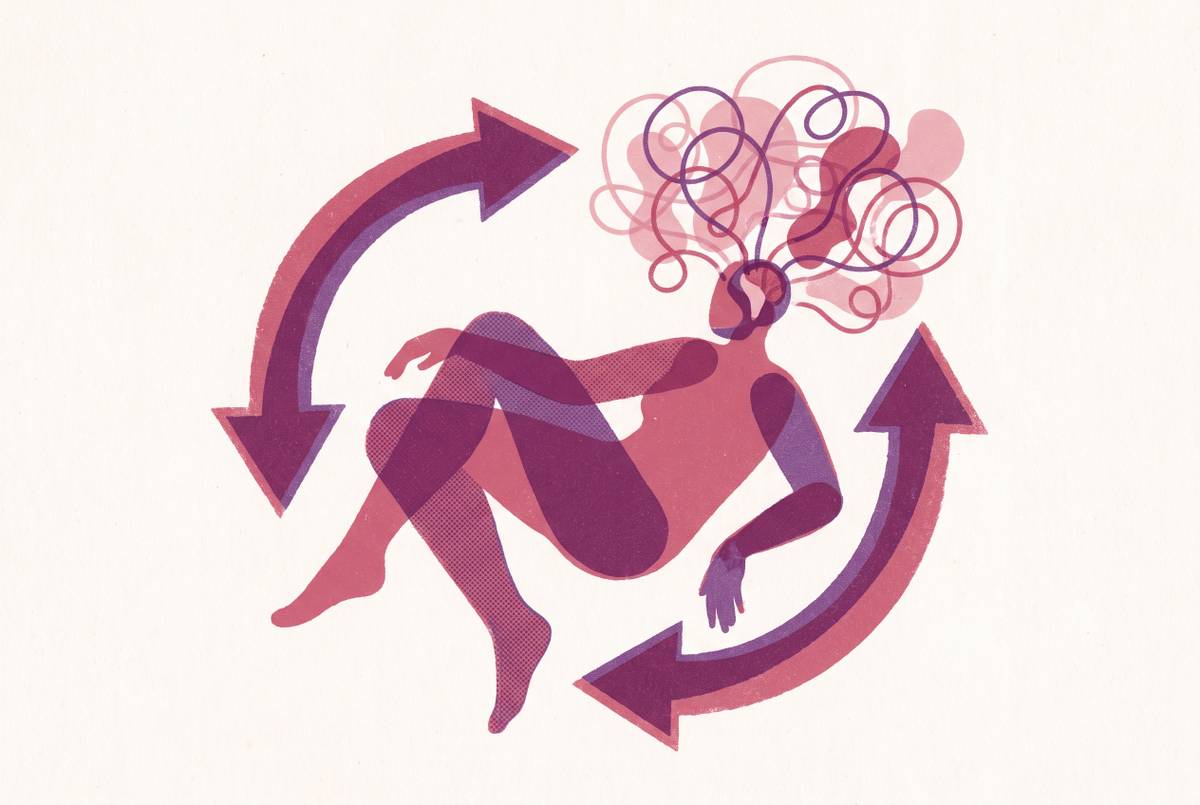
Autonomic dysfunction, dysautonomia and POTS especially, is common in EDS. When the autonomic nervous system is dysregulated, it amplifies the body's stress response, which can produce real anxiety and panic symptoms that have a physical root. Patients often experience bodily sensations more intensely than other people do. Heart palpitations caused by POTS can feel exactly like a panic attack, and the line between the two is not always obvious even to the person experiencing it. Distress generated this way is biological.
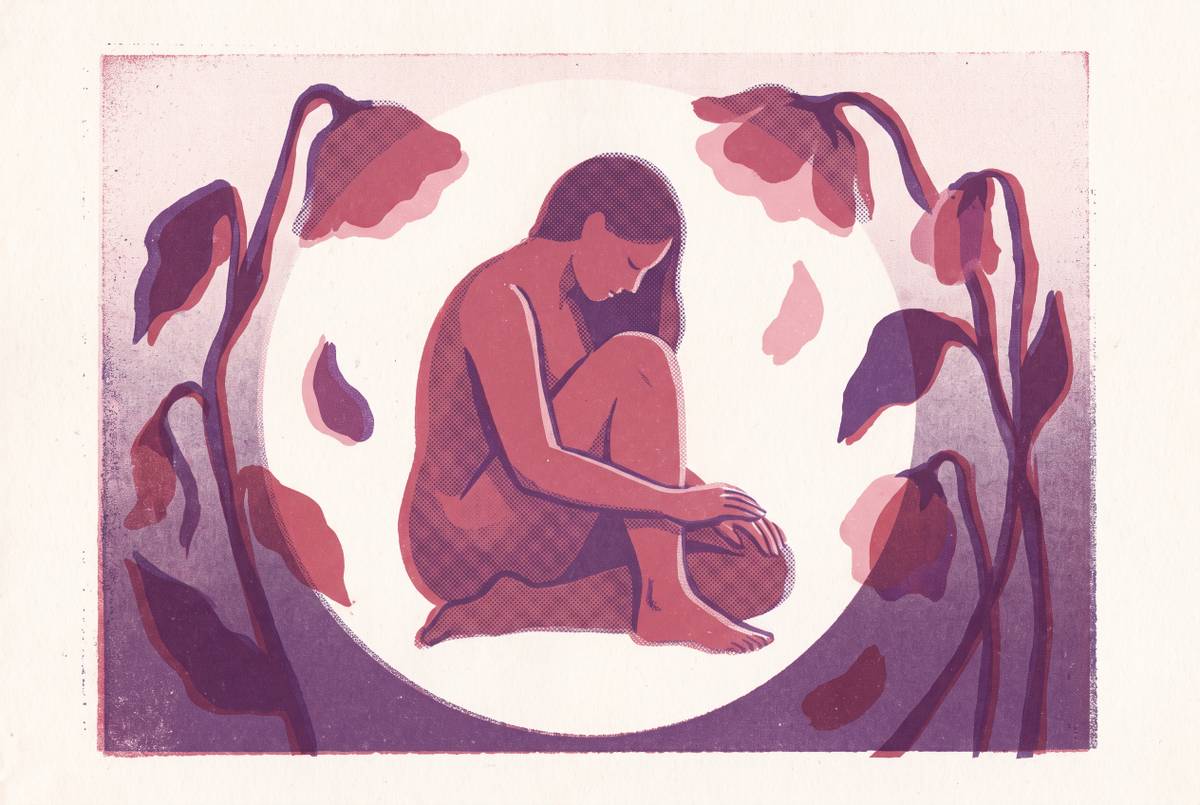
On top of that biology, patients describe being doubted repeatedly: by clinicians who have never seen a case like theirs, by family members who can't see an invisible illness, by a culture that tends to trust visible proof of suffering over a patient's own account. That pattern of invalidation adds a layer of psychological weight that the physical condition alone would not produce. The isolation that follows has a particular shape. It comes from the combination of an invisible illness, a tangle of overlapping symptoms, and a surrounding world that is often slow to believe any of it.
Peer spaces work against that directly. Members share the same diagnostic reality, so when someone who has lived the same thing believes, recognizes, and understands you, that functions as a measurable health outcome in its own right. Clinical care rarely has the time or structure to deliver that kind of recognition. That is exactly the gap peer community is built to fill, and it sets up the rest of the landscape worth mapping.
Society-anchored online forums: structured, moderated, connected to clinical knowledge
The most formally structured option is a forum on Inspire, a broader health community platform, and the Ehlers-Danlos Society sponsors it there. The Society sponsors one specific community there, the Ehlers-Danlos Syndromes and Related Disorders Support Community, which connects patients, families, friends, and caregivers for knowledge, support, and connection. Inspire names the Society an official trusted partner for that community, which gives the forum a layer of institutional credibility that an independent group can't easily match.
That connection runs both directions. The Society ran a 2026 Community Feedback Survey through the same platform, so the forum also works as a formal channel for patient input into the Road to 2026 update process. A member posting there isn't only talking to peers. They may also be feeding information into the same effort that will shape future diagnostic criteria.
You can see how practical the conversation gets in public, trending discussions on Inspire. Members compare notes on finger splints, work accommodations, joint pain management, POTS and blood pressure swings, and what separates a genuinely helpful healthcare provider from one who isn't. You see the full complexity of living with EDS day to day in that range, well past emotional support alone.
The Society's own page also lists The Mighty alongside Inspire, as a community for people who want to share their strength and courage in facing chronic illness. The tone there runs broader and more personal, built around storytelling rather than symptom-level troubleshooting, and the Society's hashtag #TogetherWeDazzle appears there too. Both are endorsed as peer spaces, just built for different kinds of conversation.
The advantage of a Society-anchored space is proximity: members sit closer to emerging research and clinical developments than they would in an independent forum, because the Society uses these channels to gather feedback and distribute updates. The tradeoff is that institutional sponsorship and moderation push conversation toward a careful, measured register. That suits a lot of members well. It will not suit everyone.
Independent anonymous peer networks: what privacy enables that moderated forums cannot
Independent, anonymous peer networks run on a different design principle. Disclosing health information on a named, searchable platform carries real professional, insurance, and social risk for people with a chronic illness. Anonymity removes that risk, so you get a kind of blunt, identity-unguarded conversation that a named account rarely allows.
One such community welcomes members as young as 12 years old. It frames its own diversity, spanning different faiths, ages, educational backgrounds, and economic situations, as a core strength. The shared diagnosis is the one thing that ties a wide range of people together, and anonymity is what lets that range hold without friction.
This isn't a lesser version of a Society-sponsored forum. It serves a different need. Where Inspire offers proximity to clinical and research developments, an anonymous network offers the freedom to say the things a person might hold back under their real name: fear, resentment, a blunt description of a bad appointment, doubts about a treatment plan. For a lot of members, the absence of identity is precisely what makes honest conversation possible.
Condition-cluster communities serving the EDS Trifecta and Pentad together
EDS almost never occurs alone, and the communities organized around that reality, rather than around EDS as a single label, often do more practical good than EDS-only spaces.
The EDS Clinic's support group is built explicitly around the Trifecta of EDS, MCAS, and POTS, and the Pentad that adds gastrointestinal dysmotility and neurological or musculoskeletal issues. It welcomes people whether they're undiagnosed, newly diagnosed, or years into managing these conditions, along with their families and caregivers. It runs as a private Facebook group: new members are admitted only after agreeing to the group's community guidelines, and only approved members can see posts. That keeps a widely used, public platform functioning as a moderated, protected space.
Inside, members trade peer support through shared stories and experience, access articles and educational material built specifically around EDS, MCAS, and POTS, and join occasional virtual events, including guest speaker sessions on managing EDS symptoms, recognizing MCAS triggers, and understanding POTS.
The practical payoff of organizing this way is straightforward. If you just learned you have POTS on top of hypermobile EDS, you don't need three separate memberships in three separate communities to get support for the full picture. One cluster-based group covers it. That structure also matches how EDS behaves clinically: the conditions interact with each other constantly, and a POTS flare isn't a separate event from EDS management in daily life, even on days when a specialist treats them as two different problems on two different charts.
Advocacy-and-peer hybrids: organizations that combine community with action
Some organizations built around EDS do more than host conversation among patients. They turn peer solidarity outward, using it to change the clinical environment patients have to navigate.
EDS Awareness, led by John and Deanna Ferman, is a clear example. The organization gives free educational webinars and online courses to healthcare professionals, and it builds resources meant to raise awareness of EDS inside medical communities themselves. It functions as a patient resource and as a tool for improving the clinical system patients depend on, at the same time.
That double function matters because peer solidarity and outside advocacy reinforce each other. A member who feels genuinely supported is more likely to put energy into advocacy work. Advocacy work then chips away at the clinical invalidation that makes peer support so necessary to begin with. The two functions feed each other.
Local and geography-based groups for in-person and hybrid connection
Online community does most of the heavy lifting for most people with EDS, but it isn't the only form peer support takes. Geography-based groups meet a need that no national or international network can fill: physical presence, local healthcare knowledge, and in-person social contact.
The Metro DC EDS and HSD Support Group serves the Washington DC metropolitan area, and it runs on a hybrid model. Virtual Zoom meetings bring in guest speakers and open discussion on a regular basis, while quarterly in-person meetings, resuming September 2026, and separate social events give members a chance to connect in person. That quarterly cadence, rather than a weekly one, fits the energy and mobility limits that many people with EDS live with. A meeting four times a year is within reach for people who could never commit to showing up every week.
Local groups also do something no national community can replicate with the same precision: members share direct recommendations for EDS-knowledgeable clinicians, physical therapists, and specialists in their own region. That kind of referral, specific to a city or metro area, is worth more than a general list of EDS-aware providers compiled nationally. Other regional groups almost certainly exist beyond this one, so if you want to find them, check the Ehlers-Danlos Society's own directory, since their current status varies and isn't covered here in detail.
Navigating the diagnostic and clinical journey through peer community
Peer community does more than offer comfort. It prepares people for what a clinical encounter actually demands: knowing which questions to ask, how to describe a symptom so a doctor takes it seriously, and what a current, accurate diagnosis should even look like.
The 2025 EDS & HSD Community Experience Survey, run through the Ehlers-Danlos Society's DICE EDS & HSD Global Registry, asked about the diagnostic journey, diagnostic criteria and classification, symptoms and management, barriers and access to care, the impact of EDS on daily life including work, school, and relationships, mental health and emotional well-being, and financial impact. Those are the exact areas where patients most need peer guidance, because a standard clinical appointment rarely has room to cover all of them in one sitting.
People go through the diagnostic journey through community as much as through any clinic. A large share of people with EDS spend time in peer networks before they ever receive a formal diagnosis. Members who have already made it through the system pass along what actually worked: which type of specialist to seek out, how to document symptoms over time, and what language tends to land with a clinician versus what gets dismissed.
The Road to 2026 process is actively rewriting diagnostic criteria. Staying current matters in a very concrete way. Peer networks act as an early warning system for that kind of change: they flag the likely revision of the Beighton score used to assess joint hypermobility, the possible splitting of hypermobile EDS into distinct subtypes, and the growing role genetic markers may play in future diagnosis.
Structured symptom tracking sits at the center of turning peer knowledge into clinical readiness. A stage-based approach, moving from preparation to collection, integration, reflection, and finally action, describes how self-tracking tends to work in practice. Community members routinely share their own tracking methods, templates, and tools, so the next person can walk into an appointment with a history that's organized and easy for a clinician to follow. Clear, patient-centered communication changes what happens in that appointment. A well-documented, clearly described symptom history is more likely to be taken seriously, acted on, and followed up correctly, and that is the practical outcome peer community makes possible.
Sources
- Ehlers-Danlos Syndrome Support Group
- 2025 EDS & HSD Community Experience Survey - The Ehlers Danlos Society
- The Road to 2026: A Path Toward Progress - The Ehlers Danlos Society
- The role of perceived social support for outcomes for the long-term health condition hypermobile Ehlers-Danlos syndrome - Kimberley C. Schenke, Joanna Foster, Danielle Stephens-Lewis, 2026
- Patients With Rare Diseases and the Power of Online Support Groups: Implications for the Medical Community
- Quality of Life With Ehlers‐Danlos Syndrome/Joint Hypermobility Syndrome: A Systematic Review of Psychosocial Interventions
- The Internet Knows More Than My Physician: Qualitative Interview Study of People With Rare Diseases and How They Use Online Support Groups
- Journal of Medical Internet Research - Insights and Recommendations From Moderators and Community Members for Keeping Online Peer Support Safe: Thematic Analysis